The 19 Muscles Of The Foot - Evertor And Invertor Of Foot. Click to rate hated it. The 19 muscles of the foot. A closer look at common geriatric foot problems. Muscles of the toes, 386 leg/extrinsic foot muscles tibialis anterior, 394 extensor hallucis longus, 396 extensor digitorum longus, 398 fibularis group, 400 fibularis longus fibularis brevis fibularis tertius triceps surae group,… Sides of adjacent metatarsals i:
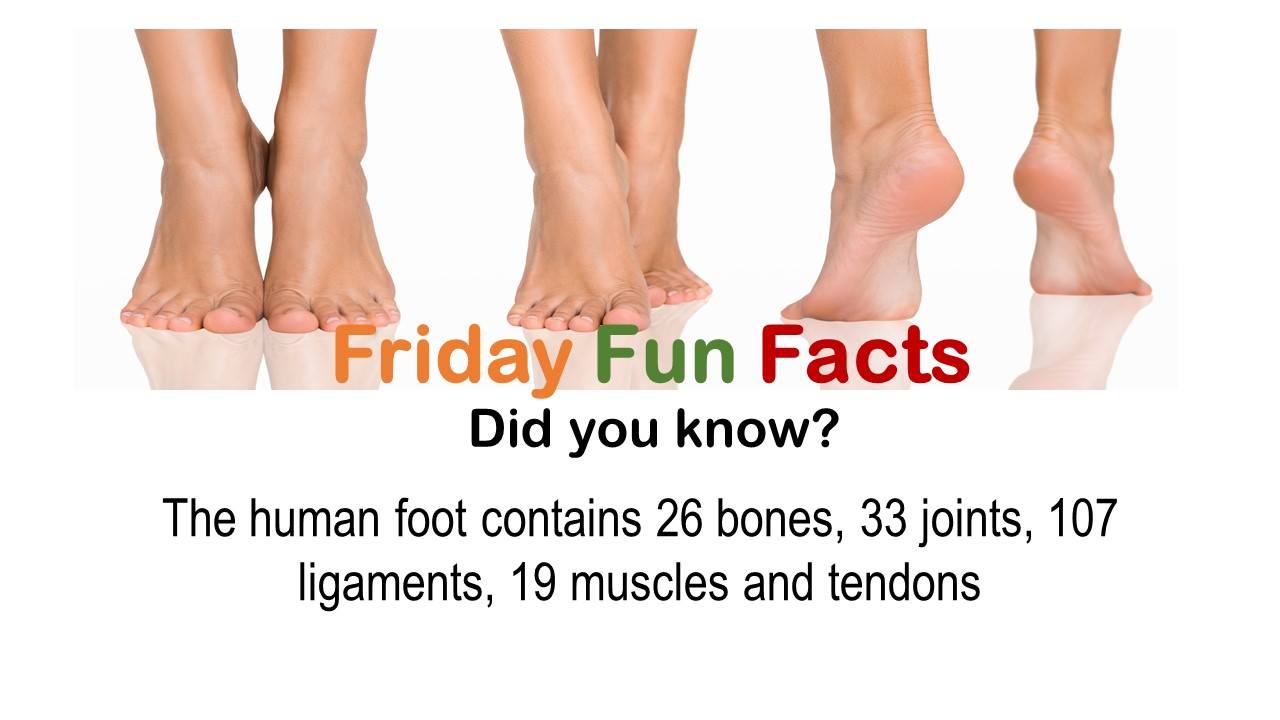
The toes are made up of the phalanx bones (phalanges), two for the big toe (lower right) and three for the others. Muscle anatomy of the foot. Pain in your calf or thigh can be caused by muscle cramps, a pulled or strained muscle, or issues related to your nerves. Muscles of the foot <br />intrinsic muscles originate and insert in the foot and control the movement of the toes.<br />extrinsic muscles originate from anywhere in the lower leg, their long tendons cross the ankle joint and insert onto one of the bones of the foot.<br /> 22. Each foot contains 26 bones, which are controlled by multiple ligaments, muscles, and tendons.
Facebook from lookaside.fbsbx.com These problems can result in limited movement and mobility. With that in mind, do these foot exercises and stretches three times every day to promote strong, healthy feet. Foot is the usual point of impact with the ground so it must be able to absorb a great deal of shock, adjust to changes in terrain, and propel the body forward; However, the challenge with foot pain is that there are many different potential causes, making it difficult at times for even health care professionals to get to the root of your discomfort.where the pain is and how it feels—throbbing, aching, stabbing, tender, and so on—can offer clues, but given all the possible causes, symptoms may not be enough to. The other 19 muscles are referred to as intrinsic muscles of the foot and act only within the foot. There are three arches in the foot, which are referred to as: This nerve runs from slightly below the knee to the lateral aspect of the foot. The tibialis anterior muscle is located alongside the lateral surface of the tibia and is the strongest dorsiflexor of the foot.
Arguably, the most important tendon is the achilles tendon, which allows the calf muscles to move the ankle joint.
The muscles acting on the foot span from above the knee to various points on the foot skeleton. The muscles at the top of the foot fan out to supply the individual toes. Muscles of the foot <br />intrinsic muscles originate and insert in the foot and control the movement of the toes.<br />extrinsic muscles originate from anywhere in the lower leg, their long tendons cross the ankle joint and insert onto one of the bones of the foot.<br /> 22. Muscles of the ankle and subtalar joints, 386 overview of function: The first boots were made for queen victoria in 1840. Plantar fasciitis affects about 10% of the us population. The tibialis anterior muscle is located alongside the lateral surface of the tibia and is the strongest dorsiflexor of the foot. The foot is anatomically defined as the distal part of the lower extremity and encompasses all structures below the ankle joint. Arguably, the most important tendon is the achilles tendon, which allows the calf muscles to move the ankle joint. Sides of adjacent metatarsals i: Foot is the usual point of impact with the ground so it must be able to absorb a great deal of shock, adjust to changes in terrain, and propel the body forward; The foot is an intricate part of the body, consisting of 26 bones, 33 joints, 107 ligaments, and 19 muscles. The foot is the region of the body distal to the leg and consists of 28 bones.
The third plantar layer consists of the tendon of tibialis posticus (10), the flexor brevis pollicis (15), the adductor pollicis (21), the flexor brevis minimi digiti (17), and, running across the foot, the transversus pedis (22). The foot is anatomically defined as the distal part of the lower extremity and encompasses all structures below the ankle joint. Foot is the usual point of impact with the ground so it must be able to absorb a great deal of shock, adjust to changes in terrain, and propel the body forward; However, the challenge with foot pain is that there are many different potential causes, making it difficult at times for even health care professionals to get to the root of your discomfort.where the pain is and how it feels—throbbing, aching, stabbing, tender, and so on—can offer clues, but given all the possible causes, symptoms may not be enough to. It functions as a rigid structure for weight bearing and it can also function as a flexible structure to conform to uneven terrain.
Amazon Com Muscles Of The Foot Laminated Anatomy Chart Toys Games from m.media-amazon.com All the muscles are innervated either by the medial plantar nerve or the lateral plantar nerve, which are both branches of the tibial nerve. The foot is anatomically defined as the distal part of the lower extremity and encompasses all structures below the ankle joint. It functions as a rigid structure for weight bearing and it can also function as a flexible structure to conform to uneven terrain. Sides of adjacent metatarsals i: The feet are the foundation of our bodies, and they assist us in some of the most basic functions of living. Mar 19, 2015 we've all heard lots (perhaps too much) about the importance of core stability, provided by the network of muscles around the hips, pelvis and back. With that in mind, do these foot exercises and stretches three times every day to promote strong, healthy feet. Muscles of the leg that move the foot and toes.
Originates from the lateral surface of the tibia and attaches to the base.
Sides of adjacent metatarsals i: The foot is an intricate part of the body, consisting of 26 bones, 33 joints, 107 ligaments, and 19 muscles. Muscles of the foot <br />intrinsic muscles originate and insert in the foot and control the movement of the toes.<br />extrinsic muscles originate from anywhere in the lower leg, their long tendons cross the ankle joint and insert onto one of the bones of the foot.<br /> 22. Like the fingers, the toes have flexor and extensor muscles that power their movement and play a large. The tendons are thick bands that connect muscles to bones. Foot problems can cause pain, inflammation, or injury. These bones are arranged into longitudinal and transverse arches with the support of various muscles and ligaments. The feet are the foundation of our bodies, and they assist us in some of the most basic functions of living. These two branches provide sensation to the entire sole of the foot, and innervate all the tiny muscles of the sole of the foot. Using the fingers, gently stretch the big toe up, down, and to the. There are 26 bones in each foot, as well as 33 joints, 19 muscles, 10. To complete the layer the muscles flexor accessorius (20) and the lumbricales (19) must be named (fig. (10 foot/ankle and 19 intrinsic) ten of these muscles originate outside of the foot itself but the other 19 muscles are referred to as intrinsic muscles of the.
It functions as a rigid structure for weight bearing and it can also function as a flexible structure to conform to uneven terrain. Muscles that move the thigh, leg, foot, and toes. Foot is the usual point of impact with the ground so it must be able to absorb a great deal of shock, adjust to changes in terrain, and propel the body forward; Douglas a albreski, dpm | july 12, 2016. Mar 19, 2015 we've all heard lots (perhaps too much) about the importance of core stability, provided by the network of muscles around the hips, pelvis and back.
Foot Levelers Spinal Pelvic Stabilizers Chiropractor In Hackensack from hackensackwellnesscenter.com Originates from the lateral surface of the tibia and attaches to the base. A closer look at common geriatric foot problems. The muscles of the plantar aspect are described in four layers. The foot is subdivided into the rearfoot, midfoot, and forefoot. The tibialis anterior muscle is located alongside the lateral surface of the tibia and is the strongest dorsiflexor of the foot. The plantaris muscle originates at the supercondylar line of the femur and the soleus muscle originates on the shaft of the tibia and fibula. Muscles that move the thigh, leg, foot, and toes; The tendons are thick bands that connect muscles to bones.
There are 26 bones in each foot, as well as 33 joints, 19 muscles, 10.
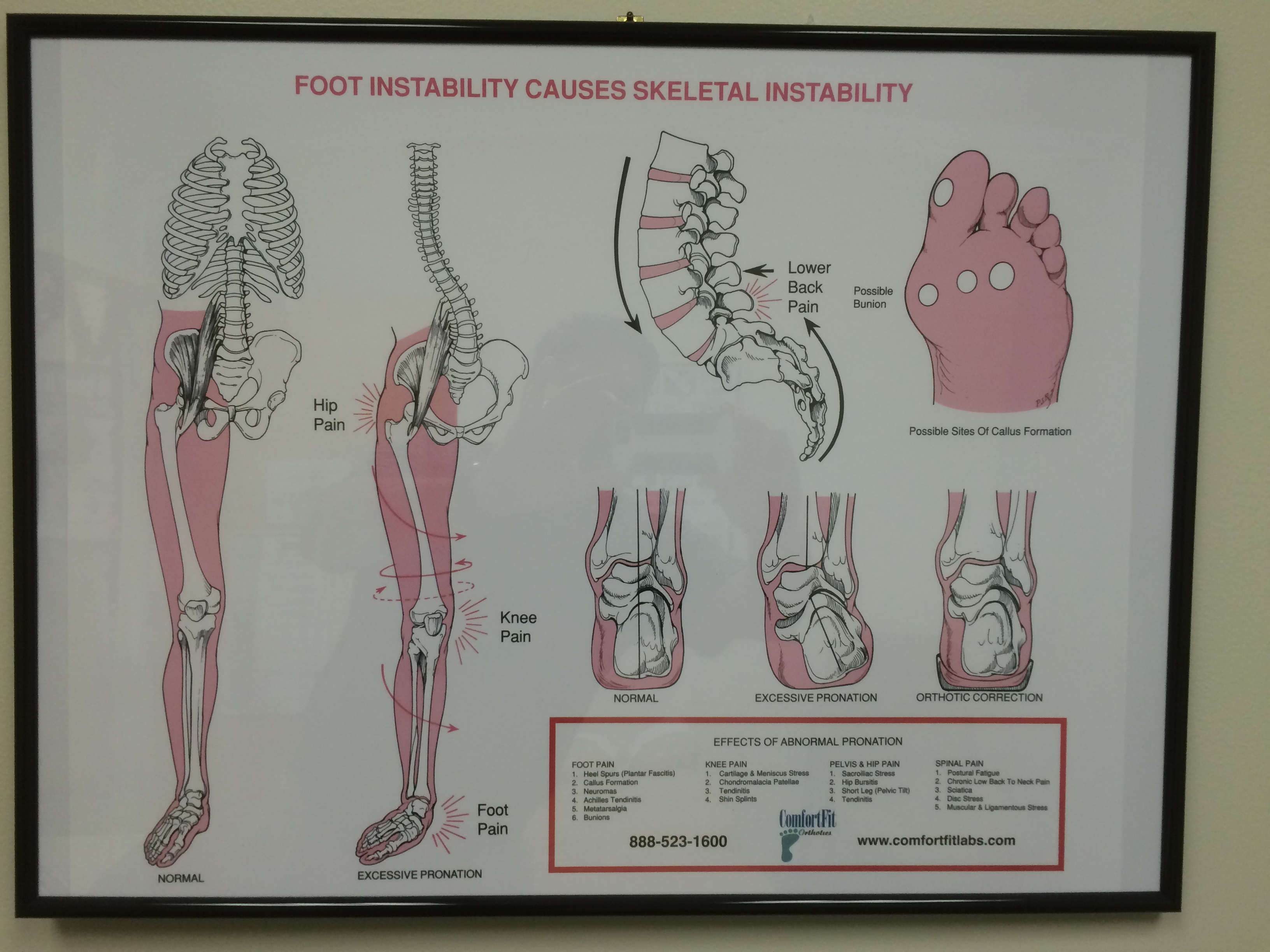
A closer look at common geriatric foot problems. The feet are the foundation of our bodies, and they assist us in some of the most basic functions of living. This nerve runs from slightly below the knee to the lateral aspect of the foot. The muscles at the top of the foot fan out to supply the individual toes. They act collectively to stabilise the arches of the foot, and individually to control movement of the digits. The tendons are thick bands that connect muscles to bones. When the muscles tighten (contract) they pull on the tendons, which in turn move the bones. Mar 19, 2015 we've all heard lots (perhaps too much) about the importance of core stability, provided by the network of muscles around the hips, pelvis and back. All the muscles are innervated either by the medial plantar nerve or the lateral plantar nerve, which are both branches of the tibial nerve. Foot pain is a very common problem. This is not a complete list of foot issue that can occur within their later years, though here are the 19 of the most common: Many tendons attach these muscles to the bones and ligaments that hold the bones together to maintain the foot's arch. So if you're trying to get rid.